90 Years Strong: 1936 - 2026
How a Handful of Neighbors Changed Two Counties Forever
In the mid-1930s, rural electrification in Nobles and Murray Counties was little more than a dream. It was still the era of kerosene lamps and lanterns. Refrigerators, electric lights in the barn, running water in the kitchen and bathroom — these were luxuries enjoyed by only a small percentage of farm families.
At that time, investor-owned power companies had repeatedly concluded that extending electric lines into the countryside was not profitable. Farmers who wanted service were often required to pay the full cost of building the line to their property — and then turn ownership of that line over to the utility. But a handful of local leaders believed rural life deserved better.
In 1935, conversations began in kitchens, schoolhouses, and township meetings about forming a cooperative under the newly created Rural Electrification Act. The idea was simple but bold: neighbors — many of them farmers — would work together, pool their resources, and build a system they would own themselves.
There were skeptics. There were setbacks. There were long evenings spent convincing neighbors to sign up. Yet the belief remained strong — rural electrification could succeed.
By May 6, 1936, enough interest had been gathered to call a general meeting in Worthington. A skeleton organization was formed, and directors were selected to represent the townships. On June 2, 1936, the Articles of Incorporation and Bylaws were officially adopted. The movement did not stop at county lines.
Leaders in Murray County were conducting their own surveys and meetings, discovering strong interest among farm families there as well. In January 1937, the two groups agreed to consolidate, strengthening their application for federal financing.
That same year, the Rural Electrification Administration approved the cooperative’s first loan — nearly a quarter of a million dollars. For many skeptics, it was an unexpected and decisive moment. For local families, it was the beginning of transformation. The first stock share was issued on June 15, 1937, for $5.
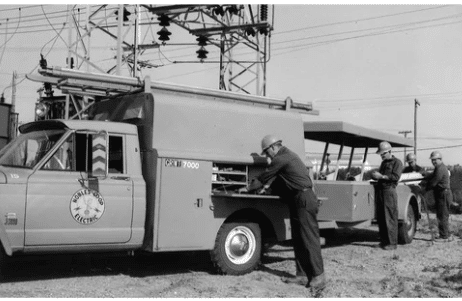
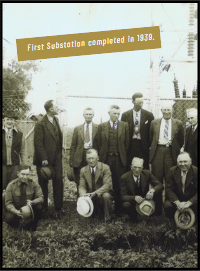
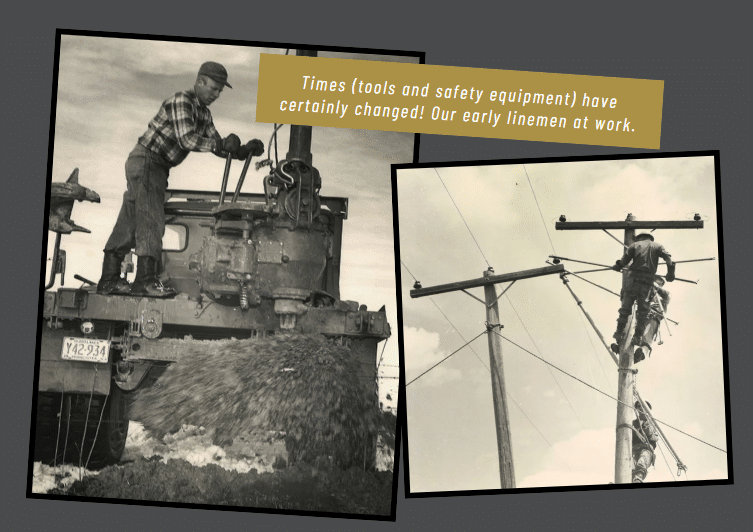
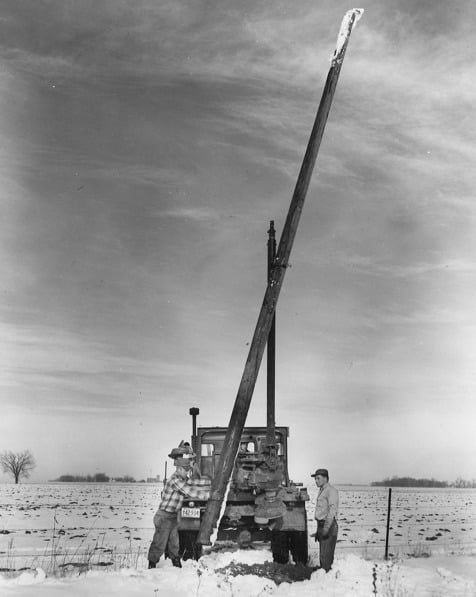
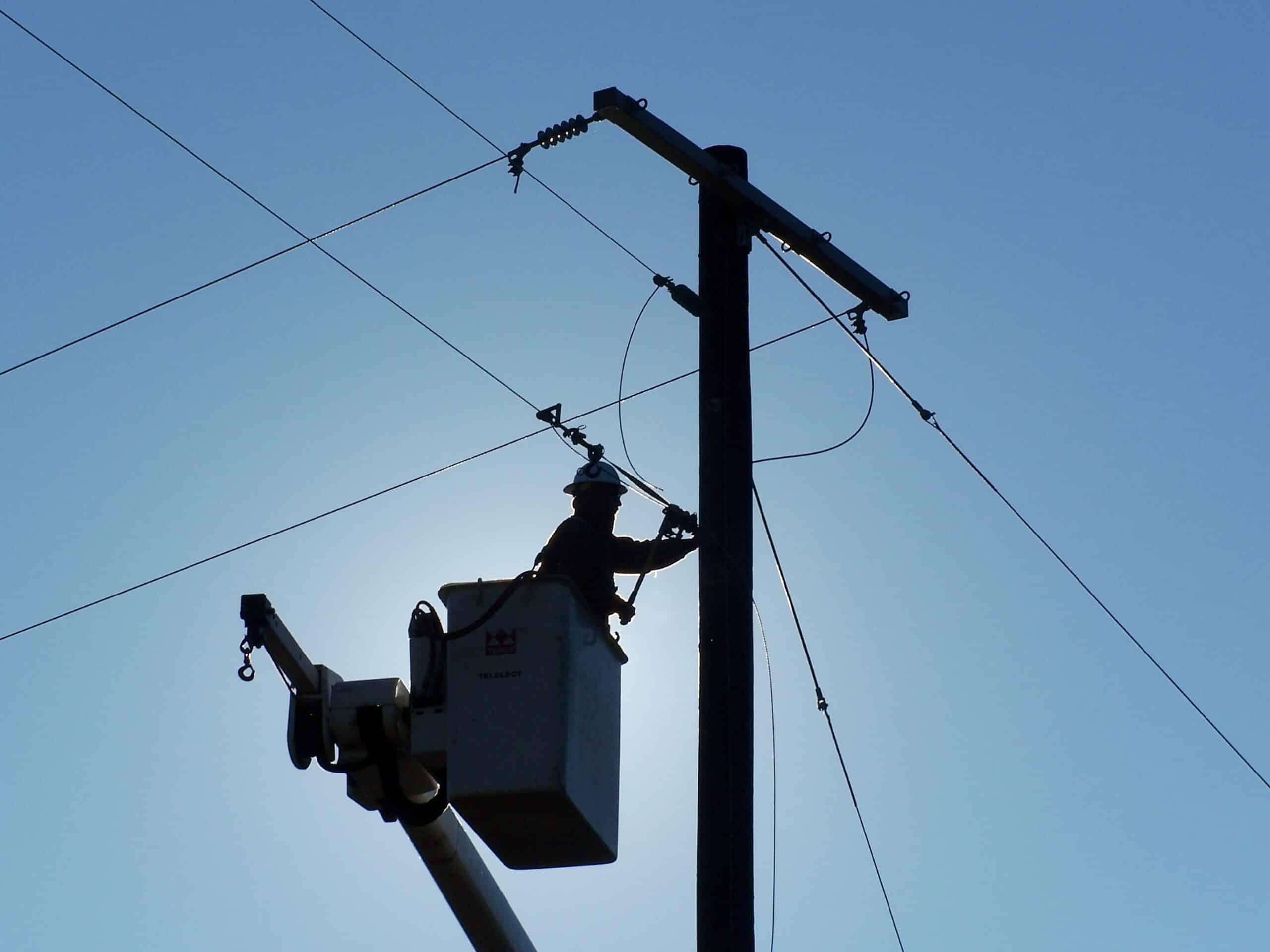
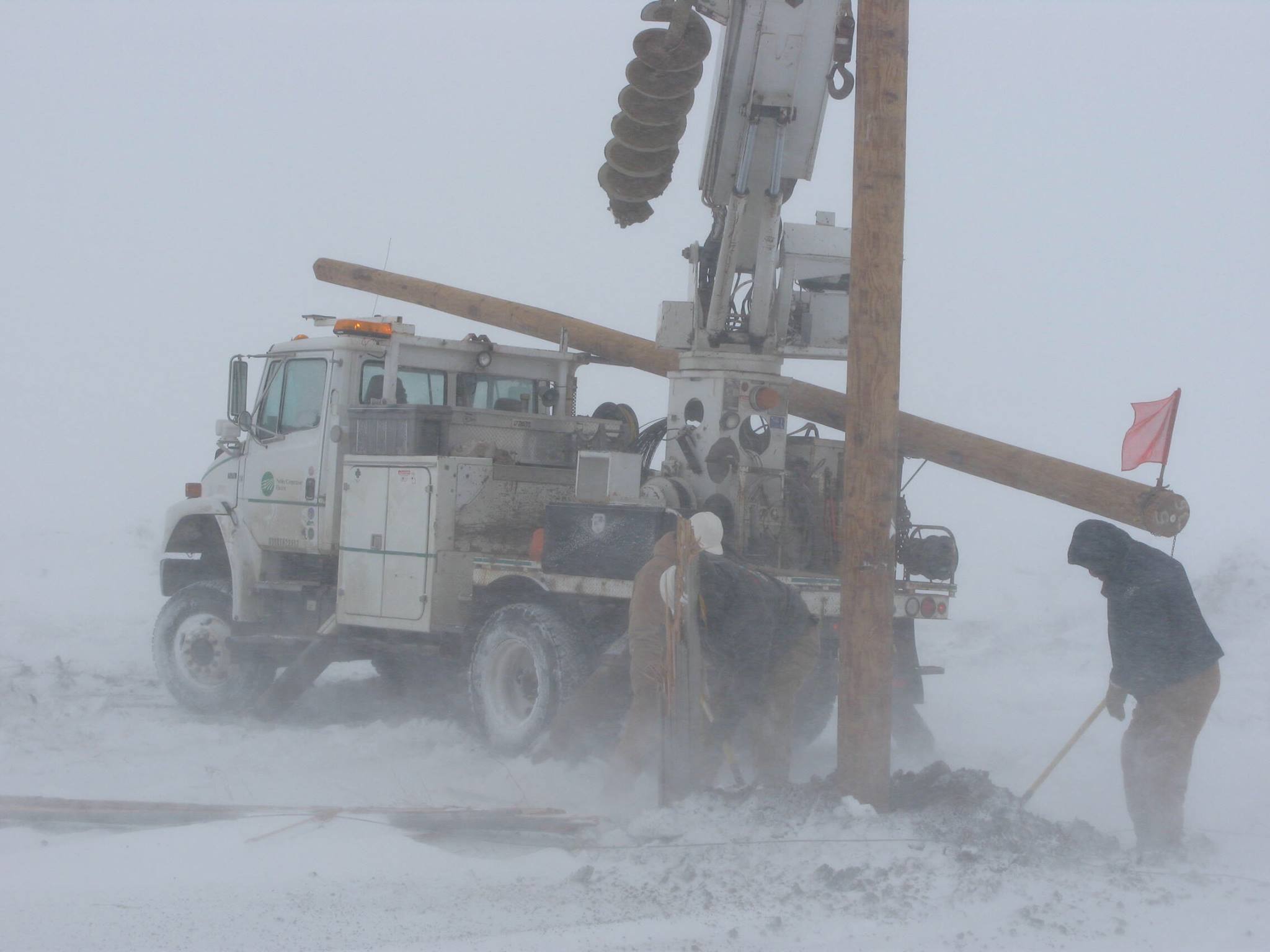
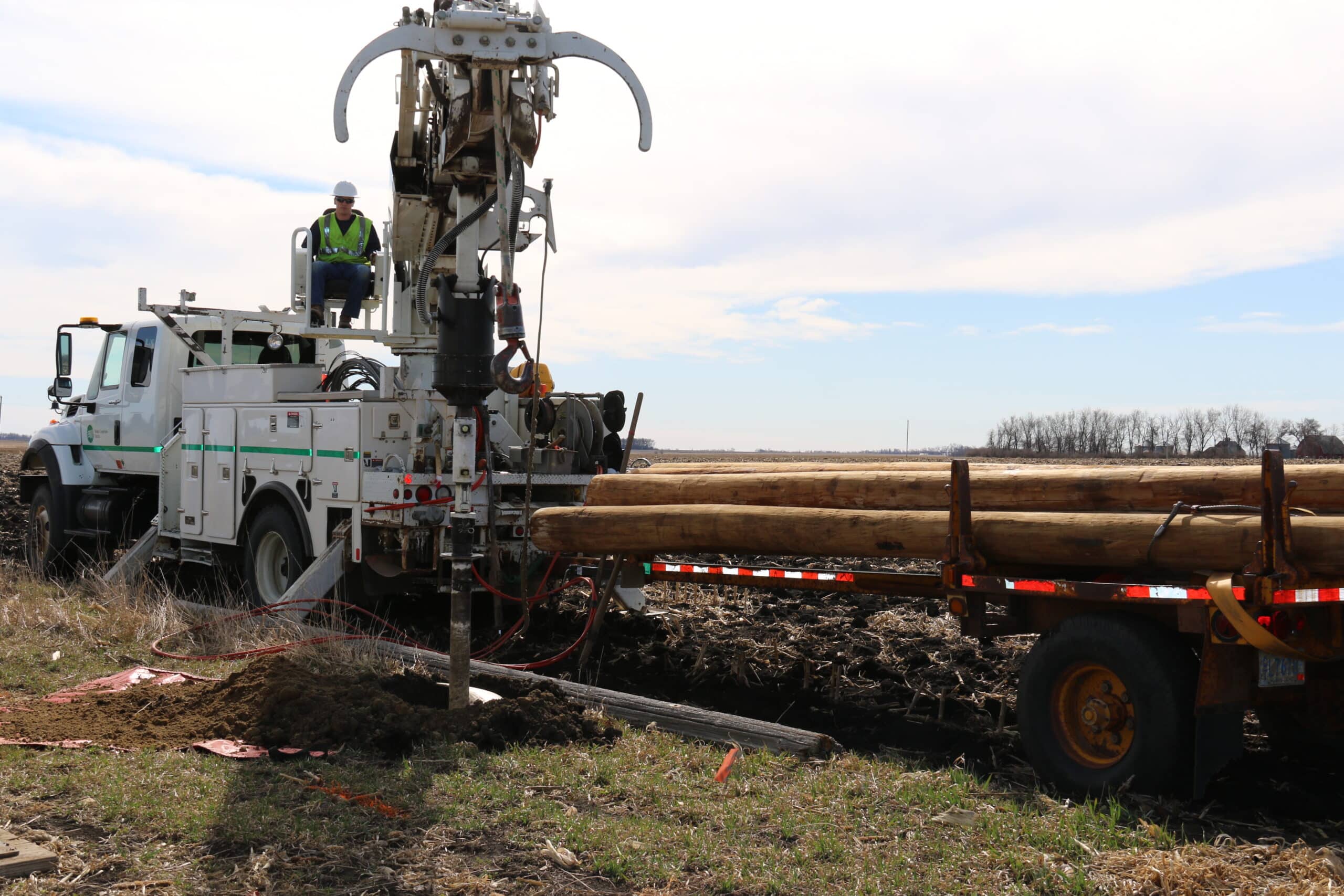
From there, miles of line began stretching across farmland. Crews worked through harsh conditions to build what had once seemed impossible. By the end of 1938, 596 members were connected.
Electricity changed everything.
Farm families could plug in a radio and listen to voices from thousands of miles away — no more expensive batteries, no more isolation. Barns became safer. Homes became brighter. Water systems, refrigeration, milking equipment, and grain handling improved. Productivity increased. Quality of life improved. The decisions made in those years reshaped daily life across two counties.
Nearly 90 years later, it is hard to imagine our communities without electricity. Today, we are more connected — and more “plugged in” — than those early members could have imagined. Power supports not only our homes and barns, but our schools, hospitals, businesses, communication systems, and the digital technologies that now shape modern life.
What began with fewer than 600 members and a staff of three has grown into a cooperative serving approximately 7,000 members with 24 full-time employees. Yet the foundation remains the same.
The success of this cooperative was not accidental. It was built on patience, determination, and the willingness of neighbors to come together and invest in their shared future.
The decisions made in 1935 and 1936 changed how we live. The decisions we make today will shape the next 90 years.